May we know the sublime Love
that we are part of.
May it sustain us.
It IS us.
Gratitude Prayer

Donna Goddard shares her love for the Divine and the world with a large international audience and has a strong social media presence. She has authored about twenty books on spirituality and personal growth—nonfiction, fiction, children’s fiction, poetry, and specialty books in writing and dance.
May we know the sublime Love
that we are part of.
May it sustain us.
It IS us.
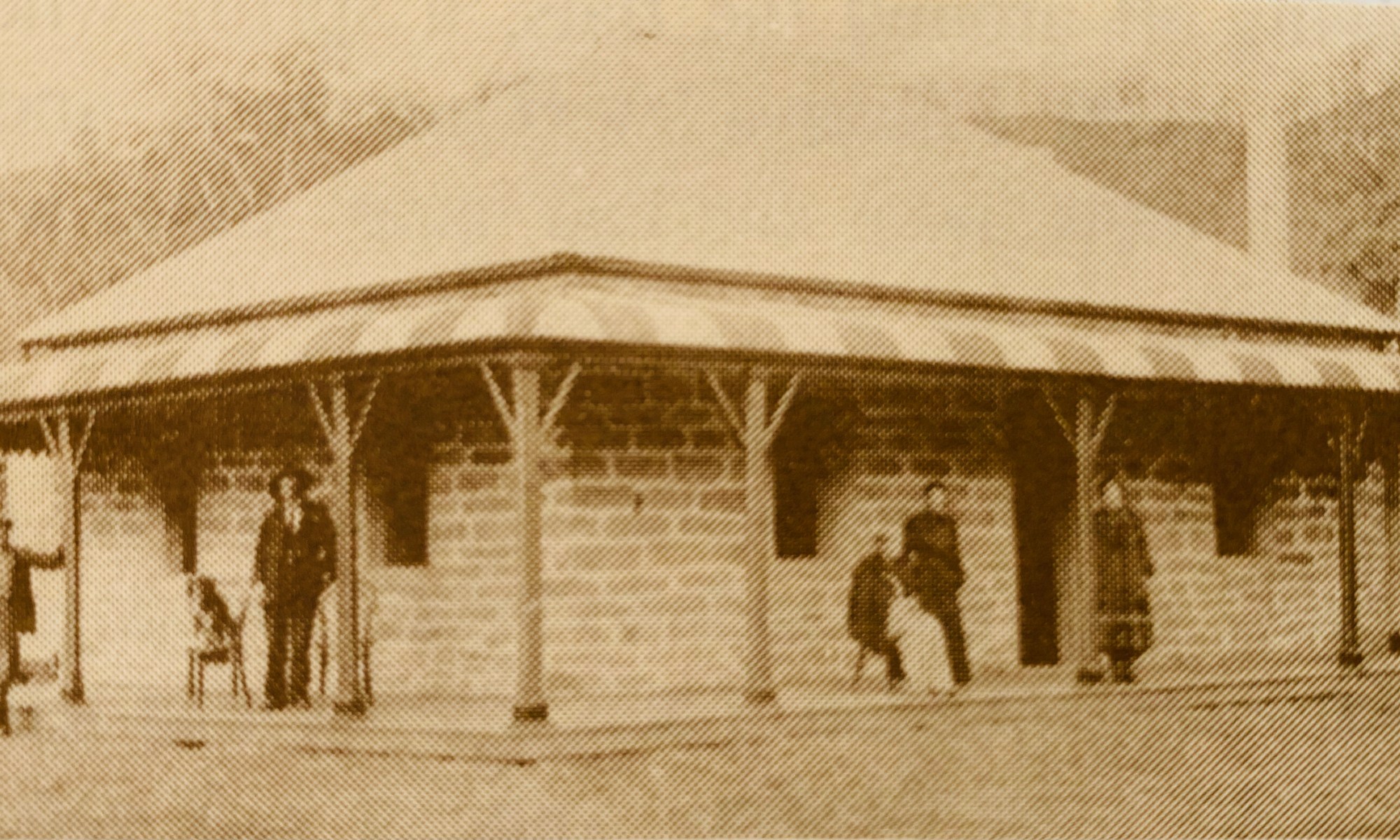
My grandfather, Michael John Pope, was a pioneer farmer in outback New South Wales, Australia. He built his small, four-room home, Little Oakey, from the creek-stones of the area. Behind the house was a wattle and daub (clay) kitchen and cellar. In that little home with his wife, Mary Jane, he raised five children in what would be considered, by today’s standards, primitive isolation. Such was life in the outback. It was and, essentially, still is harsh, relentless, and intensely beautiful. It becomes part of the soul and is embedded into one’s psyche as primal home.
Vera stood very still. She listened carefully to Mullum-Mullum. She did not want to miss any of the few words he was giving by way of instruction. In his customary style, Mullum-Mullum spoke in a meaningful but mysterious manner,
Think not you can return
on the path that leads to the fork.
Taken once, it disappears
as the choice lies ahead.
Both roads will lead to somewhere,
but one will be to nowhere.

Amira hadn’t had the nightmare since she was twenty which was six years ago. Back then, she was known as Maria. It hadn’t even crossed her mind in the two years she had been living in Eraldus, in the city. Now that she was travelling each weekend back to Waldmeer, the nightmare was occasionally returning. It was strange because nothing could be more charming than Waldmeer; going to sleep and hearing the distant sea, waking to the forest birds, walking to the rhythm of the breaking waves. Some years ago, she had come face to face with the nightmare malevolence when she went to see her teacher, Erdo, in the forest. That occasion marked the first time Amira spoke to Maria. It was the beginning of many years of instruction from Amira to Maria.

The gardener walked into their lives bright and sharp. Her need was covered by a ready smile. She came from a house with walls that echoed loneliness. On the very first day, her eyes were drawn to the little flower in the corner of the garden. Its beauty was in its simplicity. The gardener’s jealousy was already born. She watched it every day. It moved to the breeze and reached for the sunshine. The flower did not complain about the dark, the wind or the cold. Its roots had strength unseen.
The little flower was called Amira. She was guarded by Farkas, the garden spirit. Farkas loved Amira most of all the garden residents. However, he was wounded. He had lived many lives and carried the damage inside himself. He, often, went away and they would not see him for long periods. Sometimes, Farkas would sit near Amira. He would then remember the things that he rarely let himself remember. He would rest there until the wind called him away again.
The gardener watched it all and her loathing grew darker. How can the little flower have such a hold over the garden spirit’s heart? she thought. One morning, before the rising light had given its blessing to the day, the gardener, sick with her own longing, left her bed and killed the little flower. Now, Farkas will learn to love me. He will come to look at me and feel alive. He will protect me instead of the pathetic, dead flower.
