Inwards or Outwards: Preference and Purpose

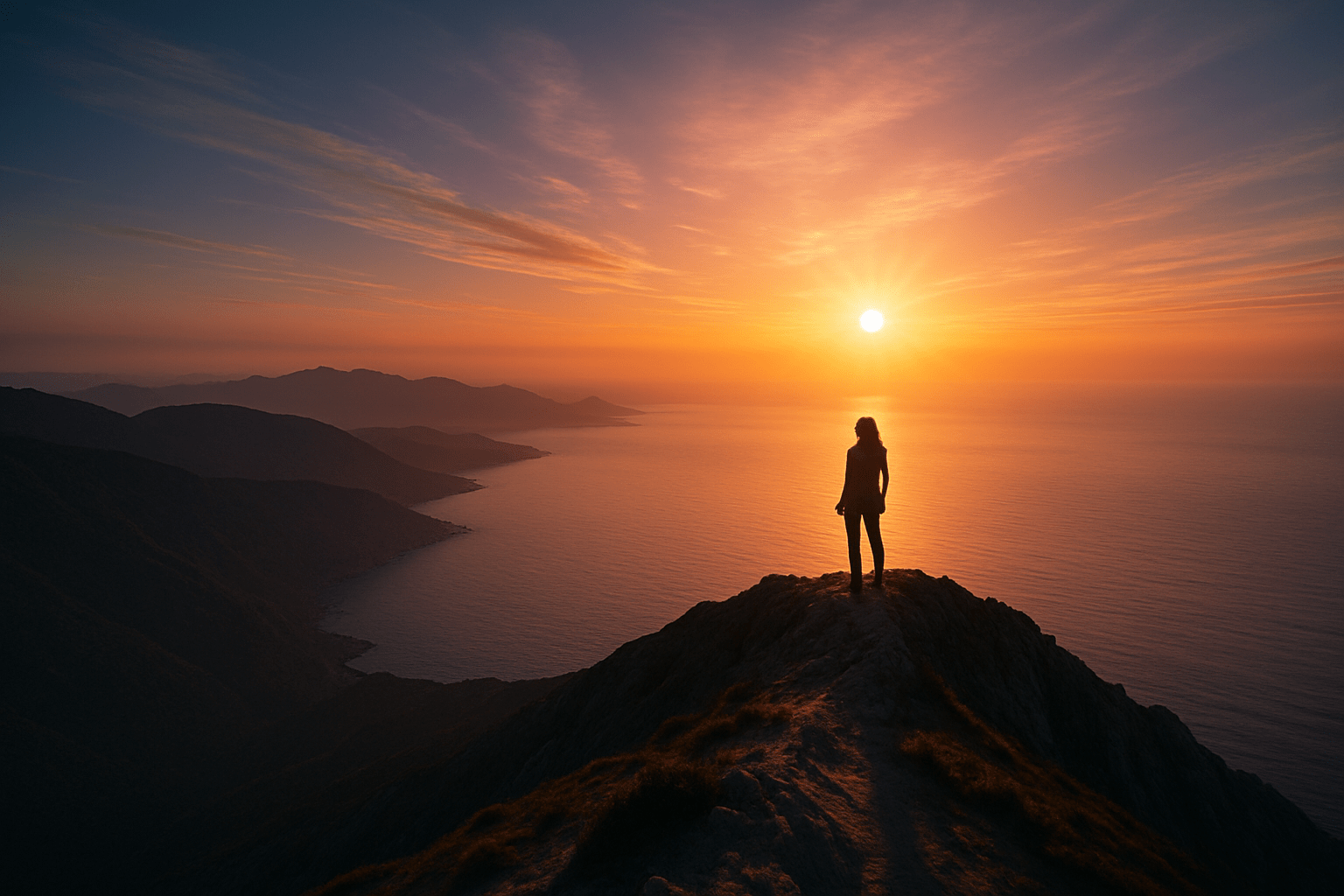
At a certain stage of spiritual evolution, solitude arises naturally. It is not avoidance, but a way of keeping one’s field clear. Ordinary interaction can feel noisy, fear-driven, or self-reinforcing. Solitude restores clarity.

But not everyone at this stage of consciousness seeks solitude. Some are drawn into human fields because their life purpose is to serve, teach, or engage. Probably, more than half of seekers at this level find that their path requires long stretches of nature or withdrawal. The remaining are called outward. Their purpose demands a greater tolerance for and enjoyment of human interaction. The difference is not about higher or lower, but purpose.
A Walk in the Park: The Company We Keep on the Spiritual Path

As you mature spiritually, the tendency toward solitude is very common. The reasons for this are:

  1. The field of the collective is keenly felt—you’re porous enough to be affected, even though you can hold steady for stretches.
  2. You’ve outgrown fear-driven socialising, so you don’t need interaction for validation or distraction.
  3. You seek resonance. As resonance is frequently absent in human situations, solitude feels like a better frequency match.

The question is not really whether we choose aloneness or togetherness, but what frequency we are vibrating at. If people are honest, most encounters with others are shaped by fear, by the need for reassurance, or by the desire to confirm a sense of self. These patterns are so common that they feel normal, but what is sought always fails to fulfil.