Donna Goddard shares her love for the Divine and the world with a large international audience and has a strong social media presence. She has authored about twenty books on spirituality and personal growth—nonfiction, fiction, children’s fiction, poetry, and specialty books in writing and dance.
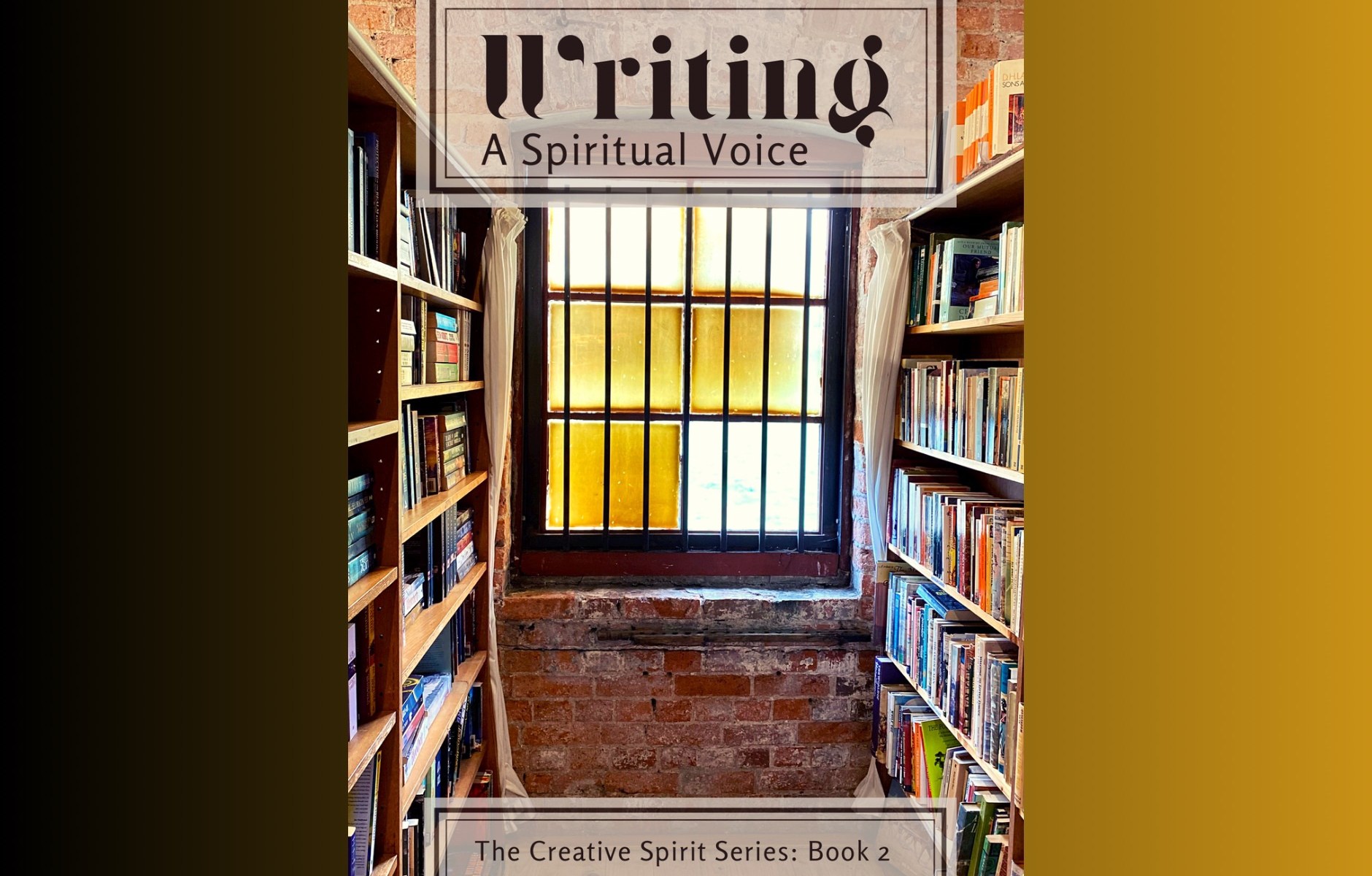
Writing: A Spiritual Voice has been UPDATED with lots of new material and a new layout and cover.
“When I write fiction, I need a lot of ongoing mental space to maintain the energised creation of a whole other world. The fictional world you have created doesn’t stay alive and thriving by itself. It needs your energy. You have to throw yourself into it and the lives of its characters as you do your real world. Energetically speaking, your fictional world is a real world. You are making a yantra, a powerful energy construct that vibrates with life-force.”
Welcome to The Book Series, a new video series that shares inside information and the spirit behind my many books. This second video in the series is based on my fiction series, the Nanima Series.
“Any gift we have been given is public property in the sense that we have been given it for the good. of all.”—Writing: A Spiritual Voice
As we evolve, our thoughts hold more power to create what we envision. Practise holding your intentions clearly in your mind and feel that you consistently add energy to their springing into life. In this way, you can create many things that seem impractical or impossible. Ensure your creations benefit everyone involved, or you will pay a bitter price. No one must suffer from what you create. People suffer relentlessly from what they have made in their minds, but we must not contribute to that. If we intend to bless, and only bless, our creations get the entire force of the universe behind them.
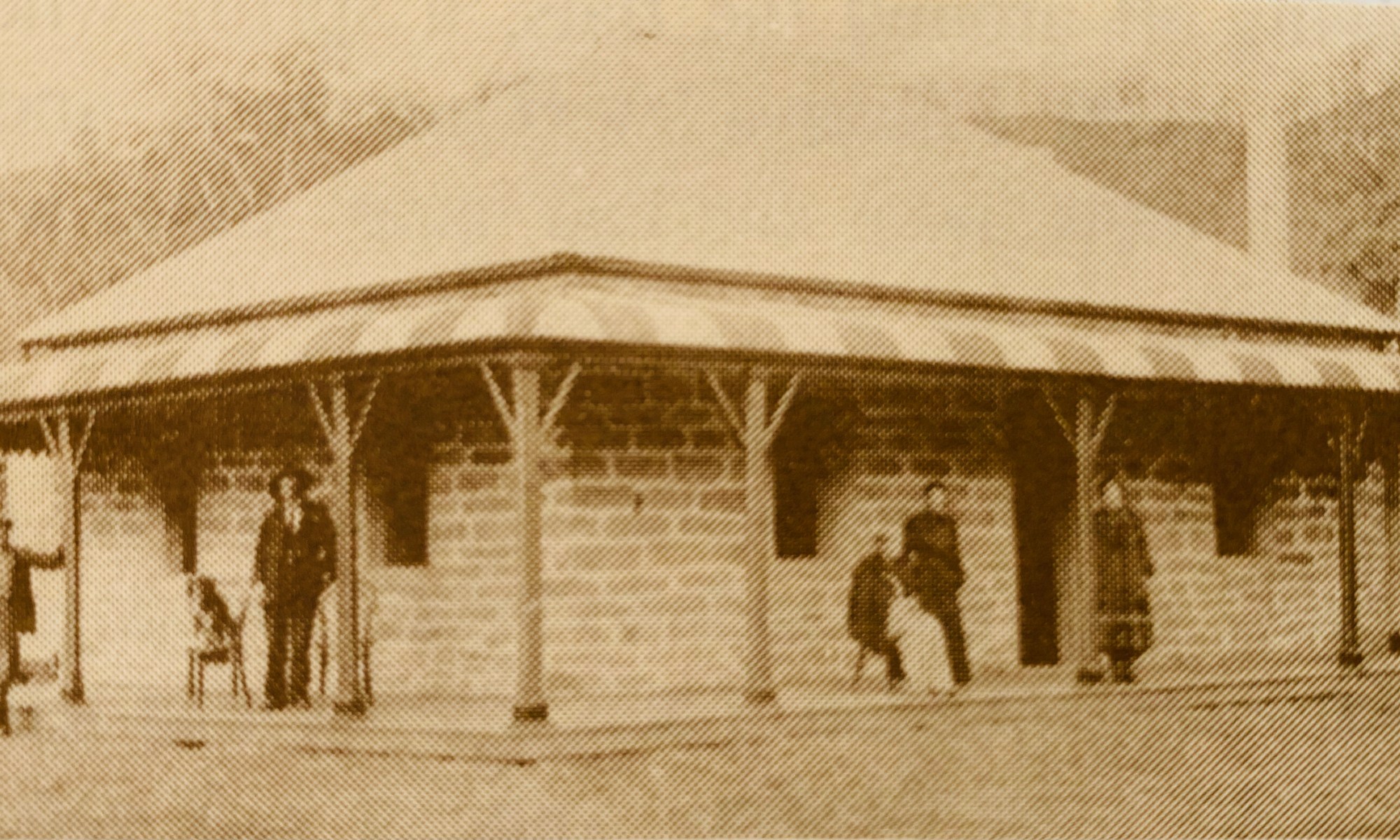
My grandfather, Michael John Pope, was a pioneer farmer in outback New South Wales, Australia. He built his small, four-room home, Little Oakey, from the creek-stones of the area. Behind the house was a wattle and daub (clay) kitchen and cellar. In that little home with his wife, Mary Jane, he raised five children in what would be considered, by today’s standards, primitive isolation. Such was life in the outback. It was and, essentially, still is harsh, relentless, and intensely beautiful. It becomes part of the soul and is embedded into one’s psyche as primal home.
The gardener walked into their lives bright and sharp. Her need was covered by a ready smile. She came from a house with walls that echoed loneliness. On the very first day, her eyes were drawn to the little flower in the corner of the garden. Its beauty was in its simplicity. The gardener’s jealousy was already born. She watched it every day. It moved to the breeze and reached for the sunshine. The flower did not complain about the dark, the wind or the cold. Its roots had strength unseen.
The little flower was called Amira. She was guarded by Farkas, the garden spirit. Farkas loved Amira most of all the garden residents. However, he was wounded. He had lived many lives and carried the damage inside himself. He, often, went away and they would not see him for long periods. Sometimes, Farkas would sit near Amira. He would then remember the things that he rarely let himself remember. He would rest there until the wind called him away again.
The gardener watched it all and her loathing grew darker. How can the little flower have such a hold over the garden spirit’s heart? she thought. One morning, before the rising light had given its blessing to the day, the gardener, sick with her own longing, left her bed and killed the little flower. Now, Farkas will learn to love me. He will come to look at me and feel alive. He will protect me instead of the pathetic, dead flower.